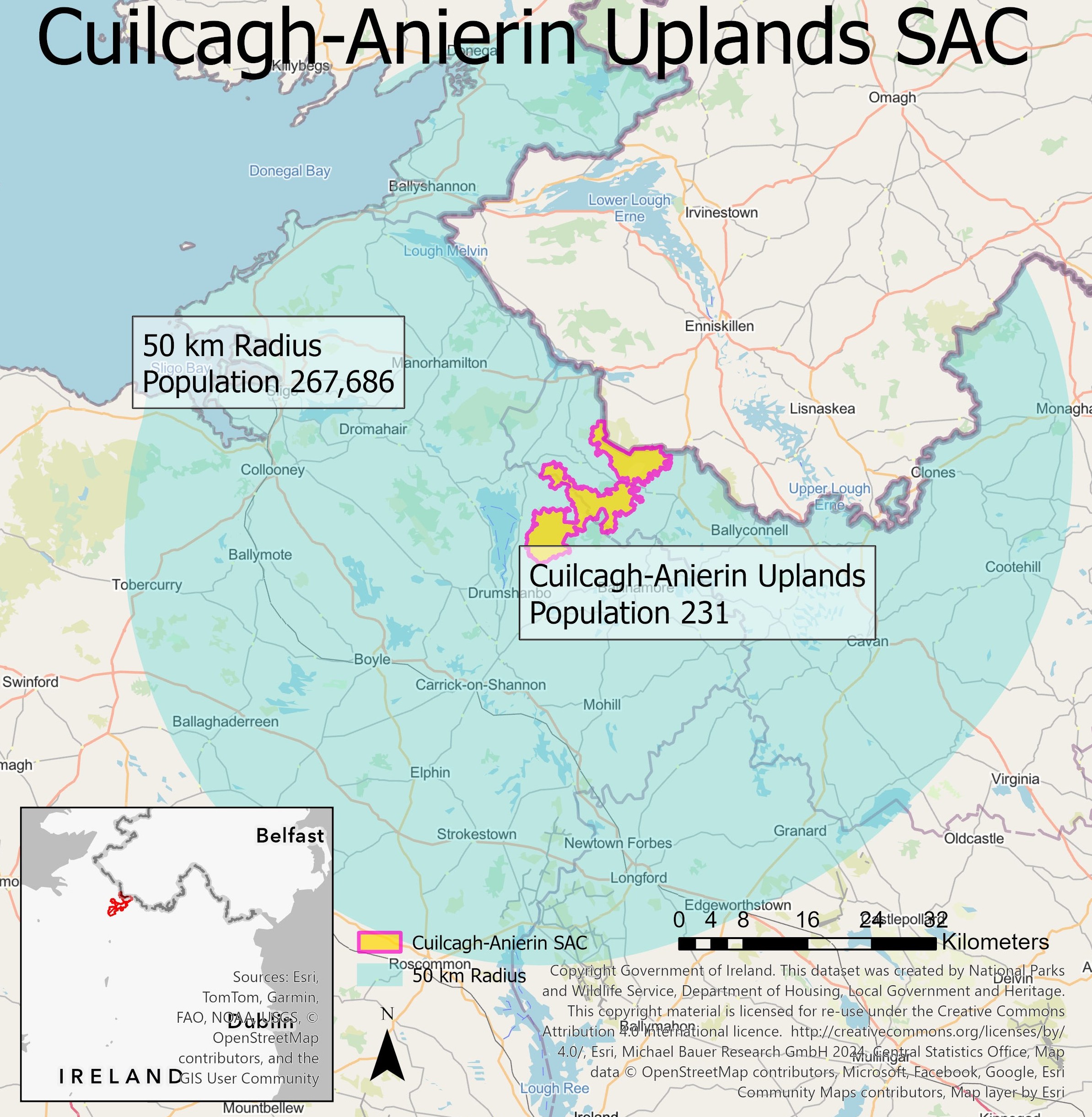
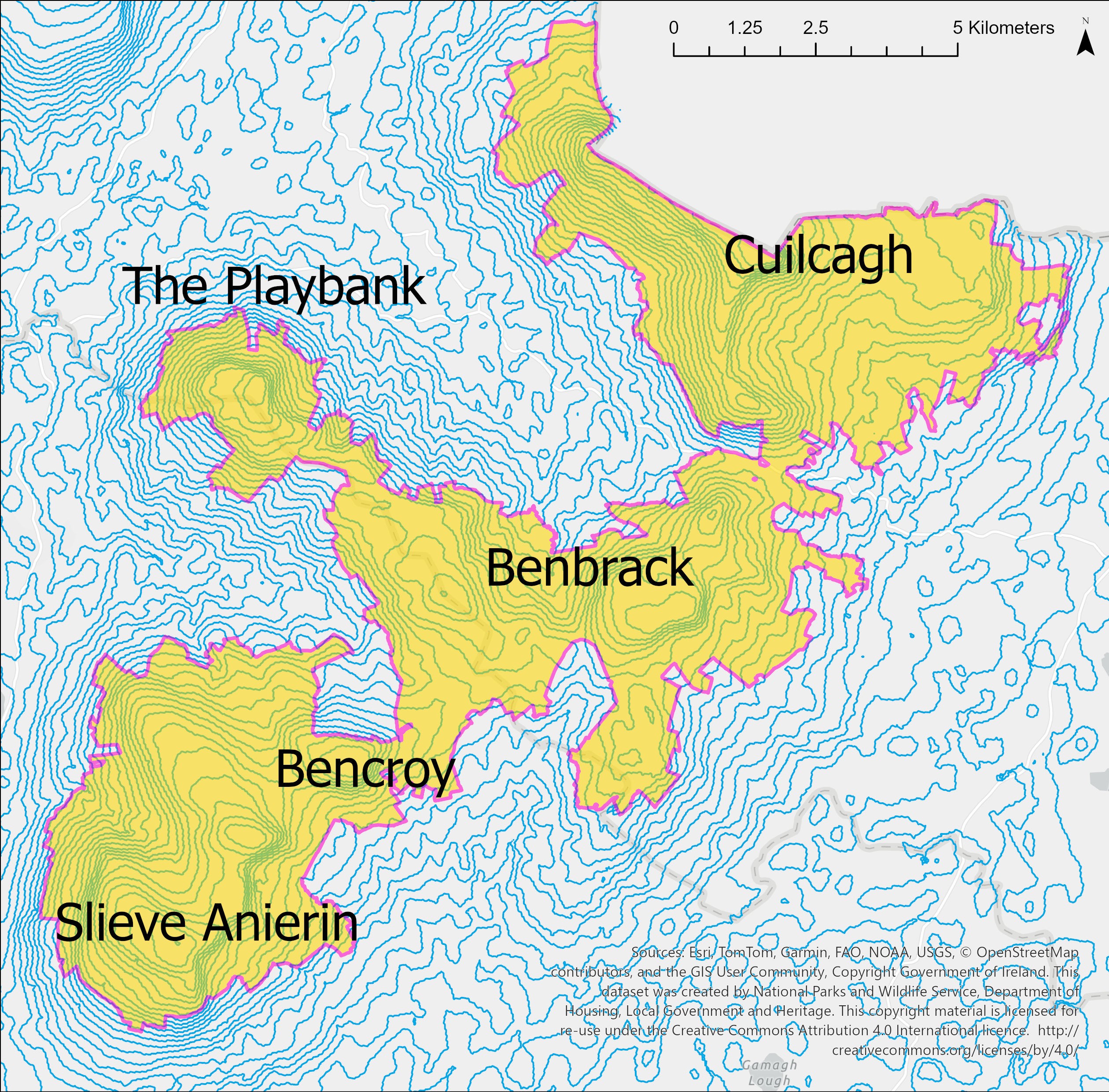
This participatory mapping project looks at socio-culturally important areas within Cuilcagh-Anierin Uplands (CAU). CAU is located in the northwest of Ireland. Forty-two Irish residents, living within 50 km of CAU, contributed.
Where did locals create points?
Three map activities represented important areas. Map 1 was about a sense of connection, Map 2 pertained to socio-cultural areas, and Map 3 related to landscape decisions.
Map 1 – Places of Connection
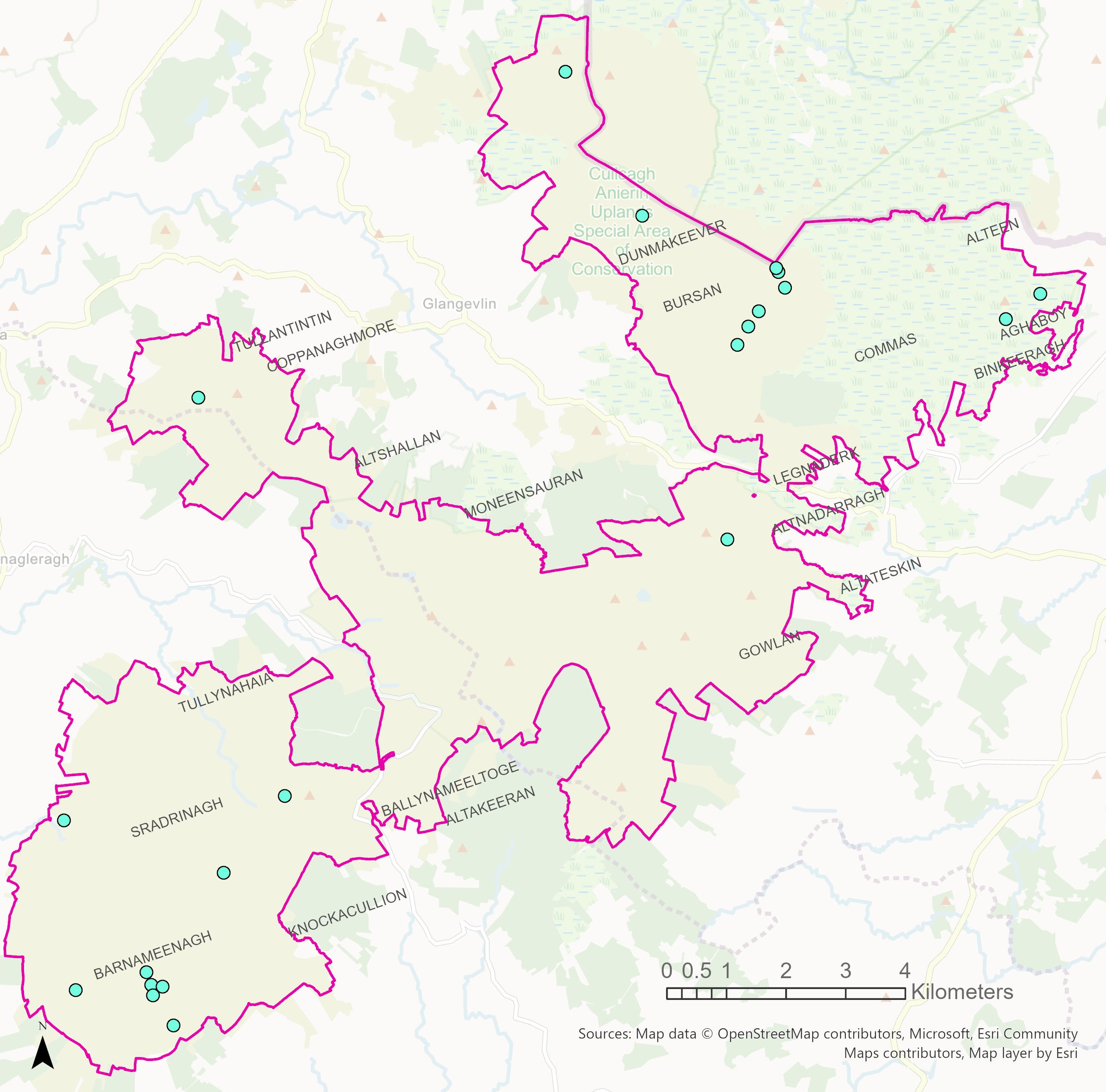
Map 1 asked participants to select 0 – 5 places where they feel a strong sense of connection.
Map 2 – Socio-Cultural Importance
Map 2 asked participants to select 0 – 5 places that hold particular cultural or social importance.
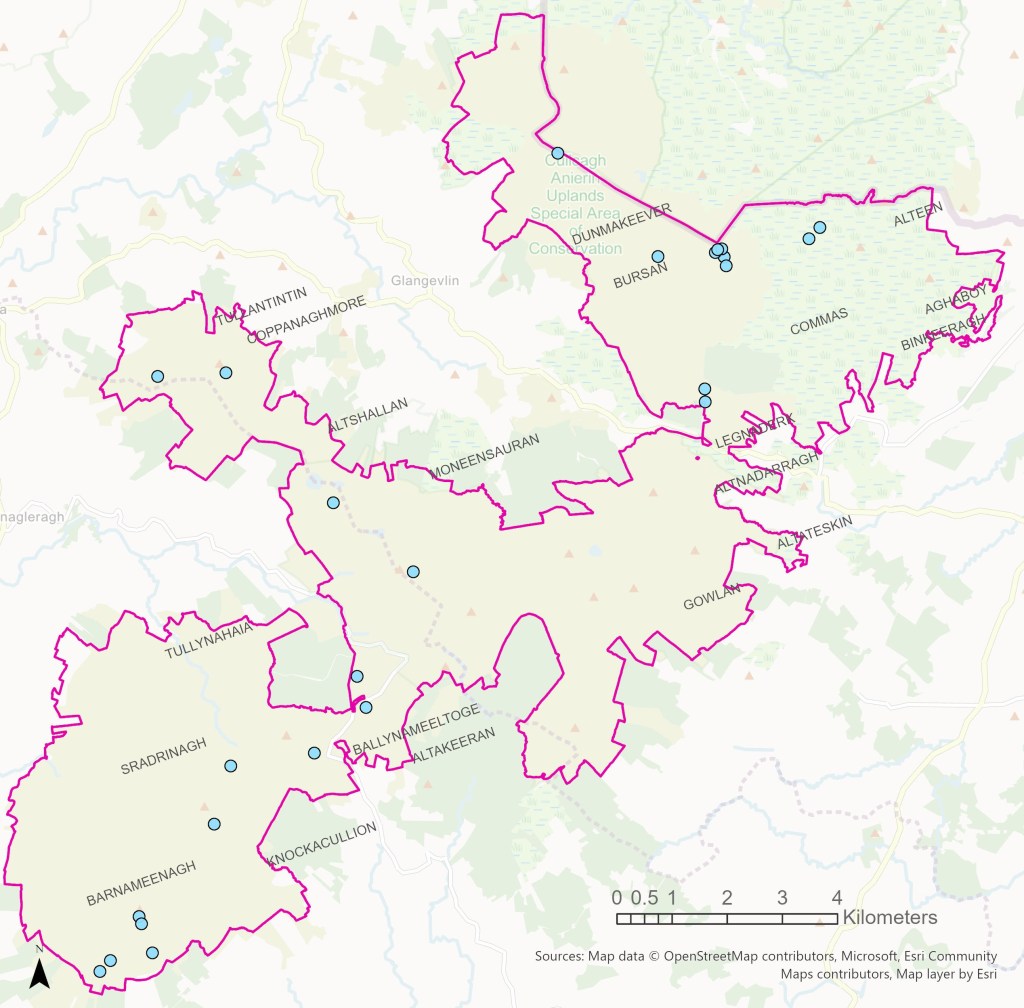
Map 3 – Landscape Decisions
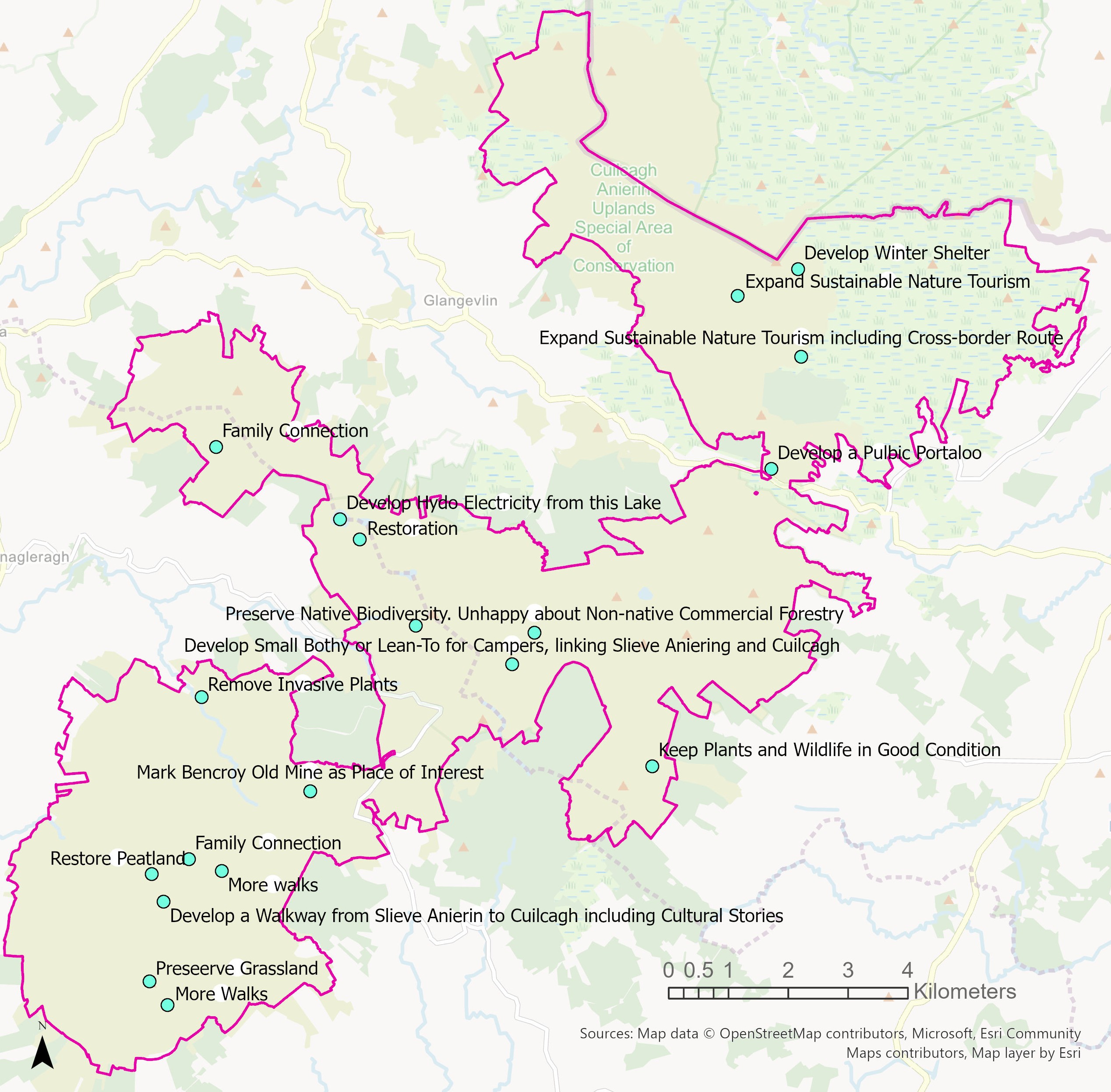
Map 3 asked participants to consider various forms of human-initiated landscape decisions (e.g. preservation of current status, tourism development, rewilding, agricultural expansion, peatland restoration, recreational development, etc.), then select 0 – 5 areas of interest and comment on their desire for the selected area.
Who participated?
Adult residents of the Republic of Ireland living within 50 km of CAU were invited. Invitations were primarily sent to social media groups, with an additional invitation boost by Leitrim PPN.
CAU borders Northern Ireland. Unfortunately, due to resource constraints, residents of Northern Ireland were not able to be included.
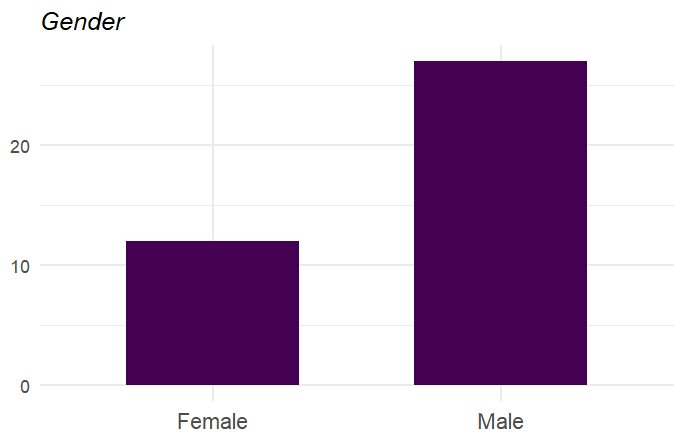
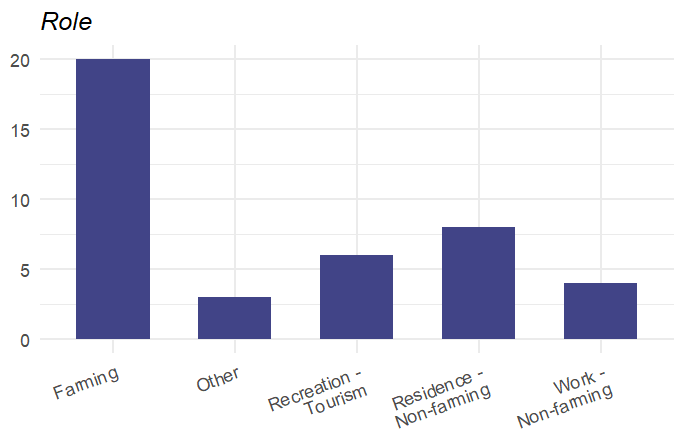
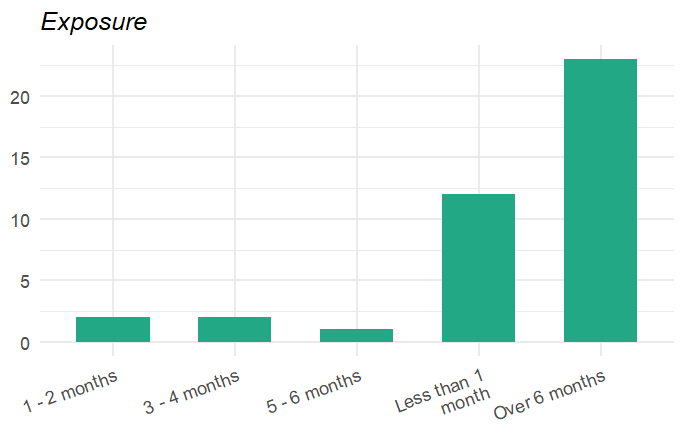
Subgroups include locals’ Role within CAU, Gender, and Age. Exposure describes how much time one spends within CAU per year, and Family Roots relates to how long one’s family has been in the area.
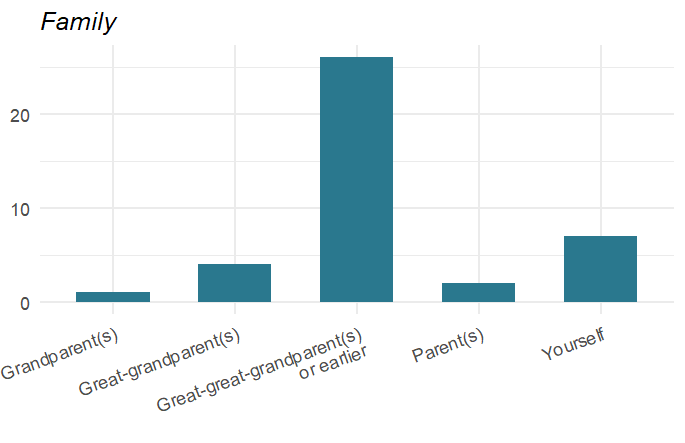
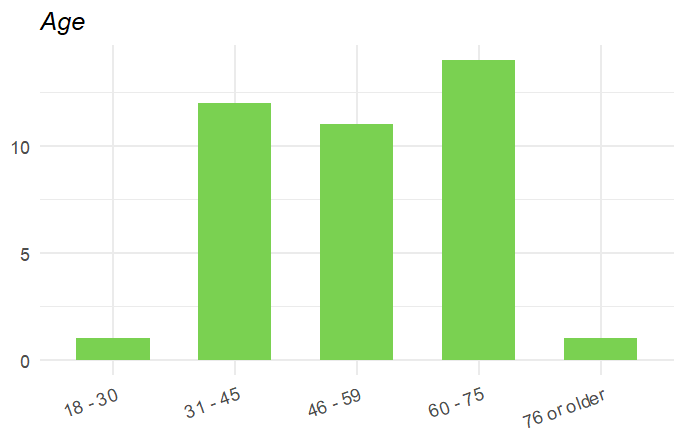
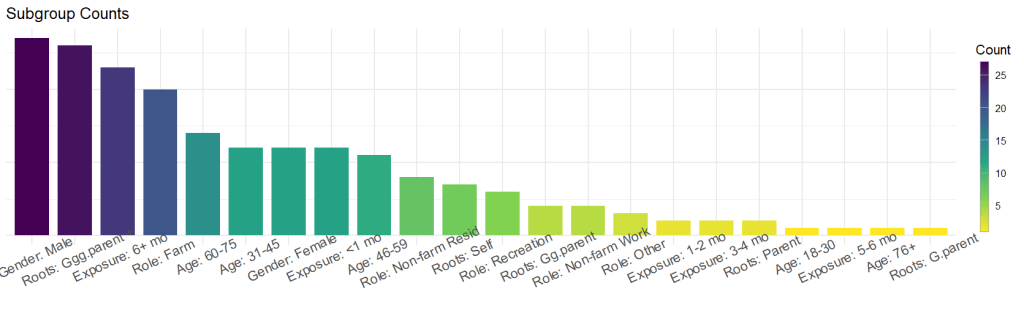
Most participants were males and/or have deep family roots, arriving in the area at or earlier than their Great-great-great grandparents.
What Locals Had to Say
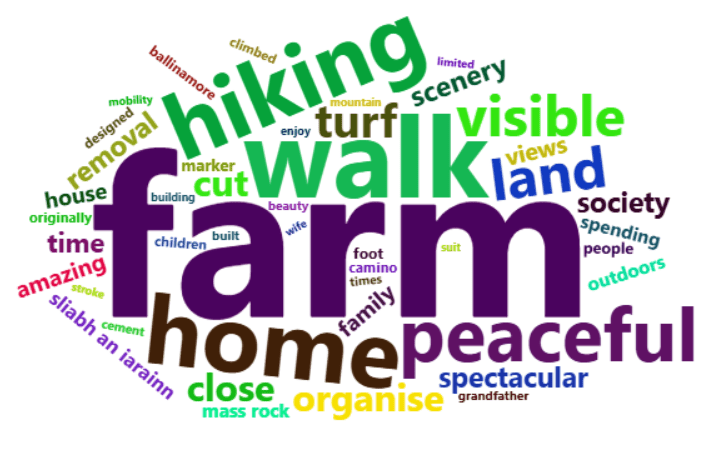
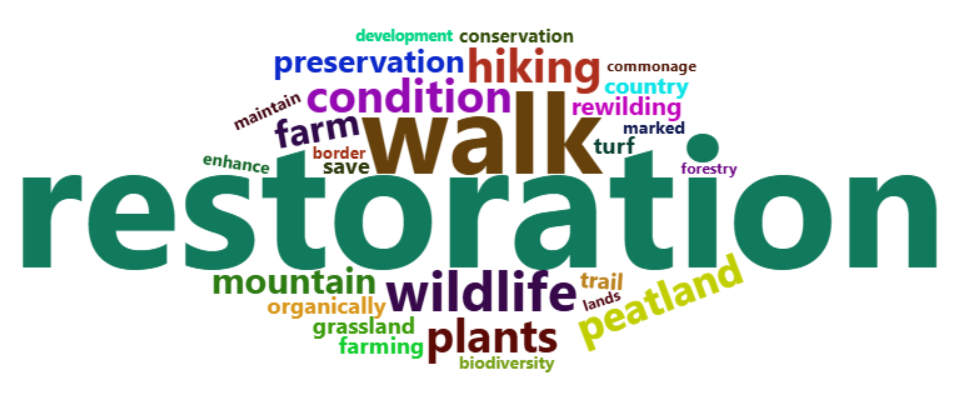
Some participants left comments with their map points. The most frequently used words are shown, from Map 1 – Connection, Map 2 – Socio-Cultural Importance, and Map 3 – Landscape Decisions.
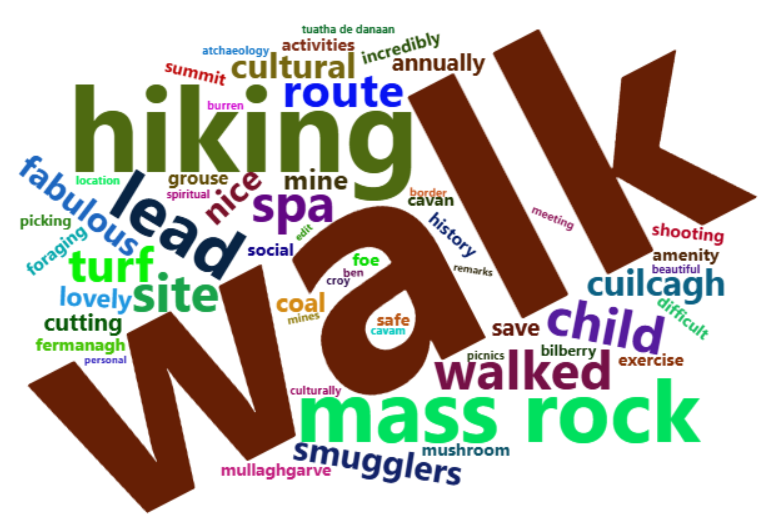
Walking was the most common theme, in Map 2 and for all maps combined.
Environmental Values
Participants supported intrinsic values (e.g. Nature deserves to be healthy) over relational values (e.g. Nature is important because it strengthens our community). The instrumental (e.g. Nature is important because it benefits people) value median was slightly lower than the intrinsic median.
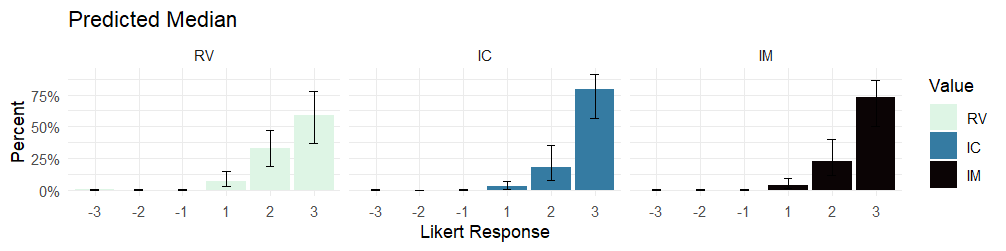
Relational Value (RV), Intrinsic Value (IC), and Instrumental Value (IM)
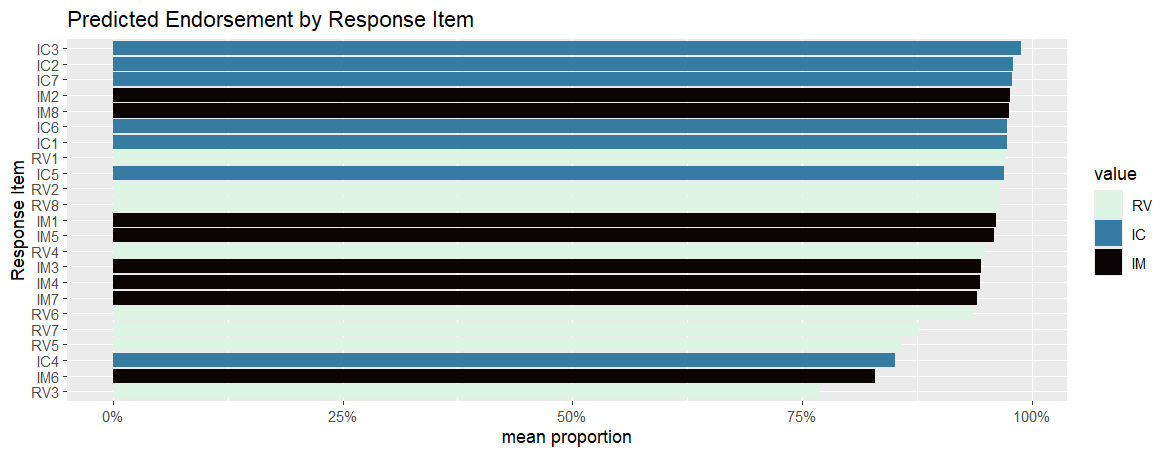
The two most-supported value statements were Nature is valuable for its own sake and Ecosystems have the right to exist. The two least-supported statements were Plants and animals are important because they can teach people many lessons and Nature is important because it provides us with food and water.
Connection
Locals were asked which image best describes their relationship with the uplands. Image 3 was the most selected overall.

Farmers had greater connectedness compared to non-farmers.

Mountain Slopes
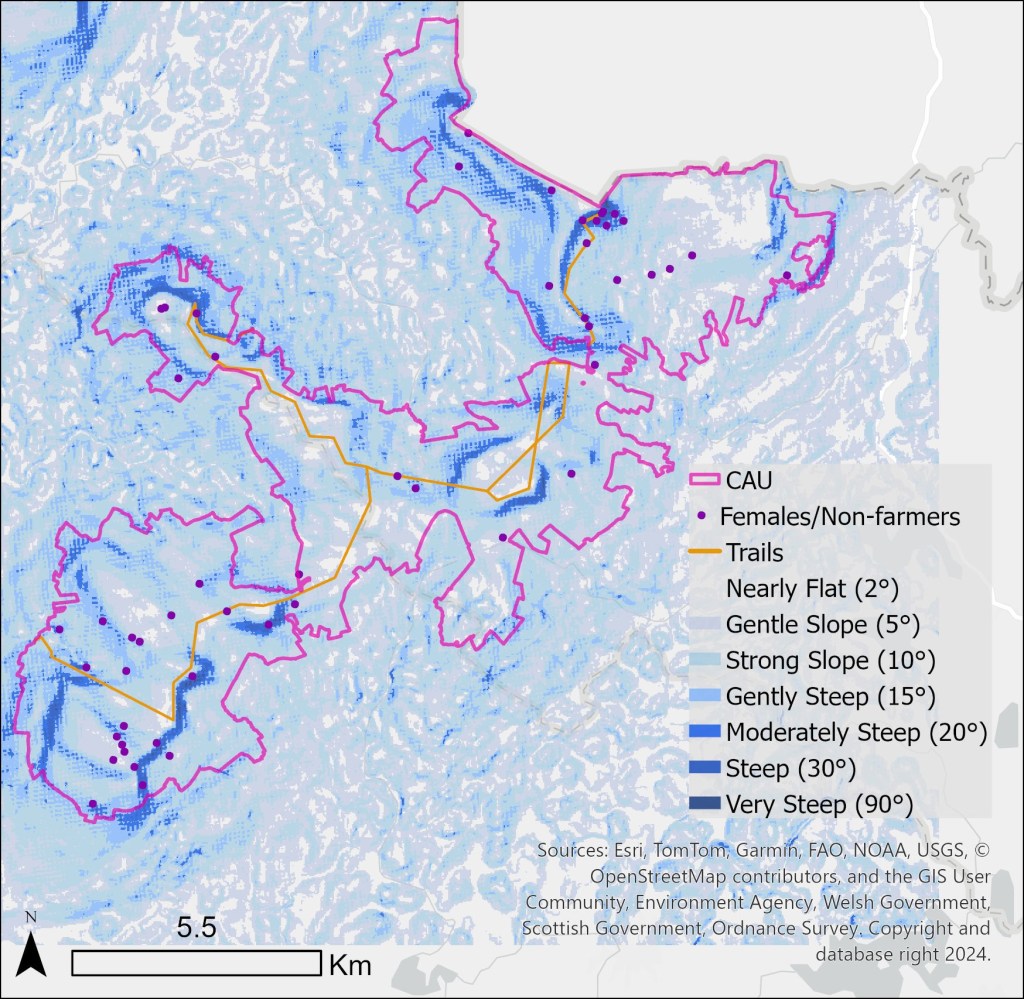
Map points of Females and Non-farmers favoured steeper areas.
Considering how often comments mentioned walking, steeper areas likely pertain to mountain trails.
Commonage and Freehold Land
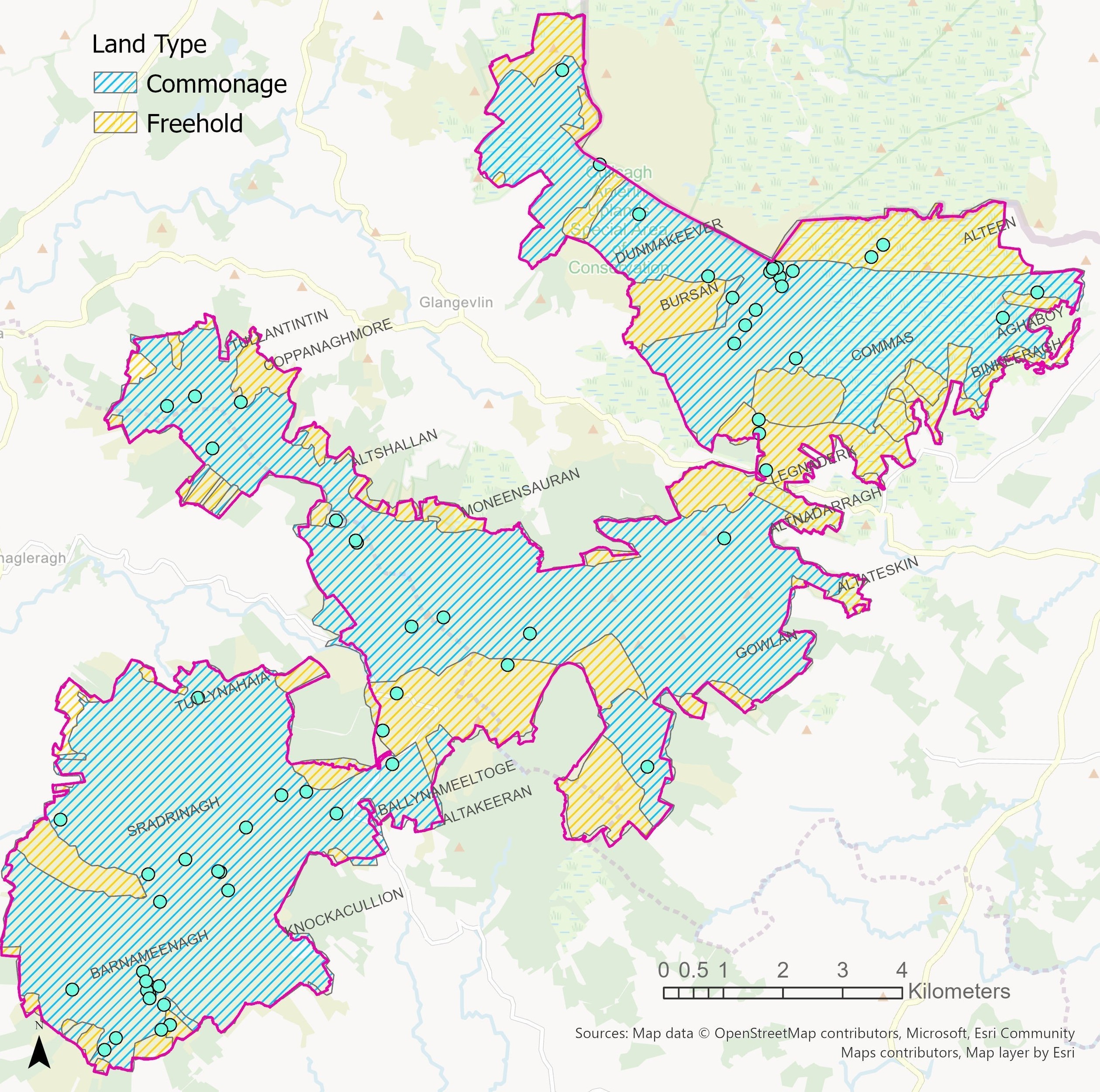
Locals points were twice as likely to be in commonage areas compared to freehold, with respect to their area difference.
Dúchas Markers
Ireland’s National Folklore Collection shows 3 markers within CAU. Major story themes involve the Tuatha de Danann, the creation of Lough Allen and Sliabh an Iarainn, holly forests that hid priests during the Penal Days, and stories about a former Druid place of worship, the Polltaí Hole, where Garland Sunday came to be celebrated (Dúchas, 2026).
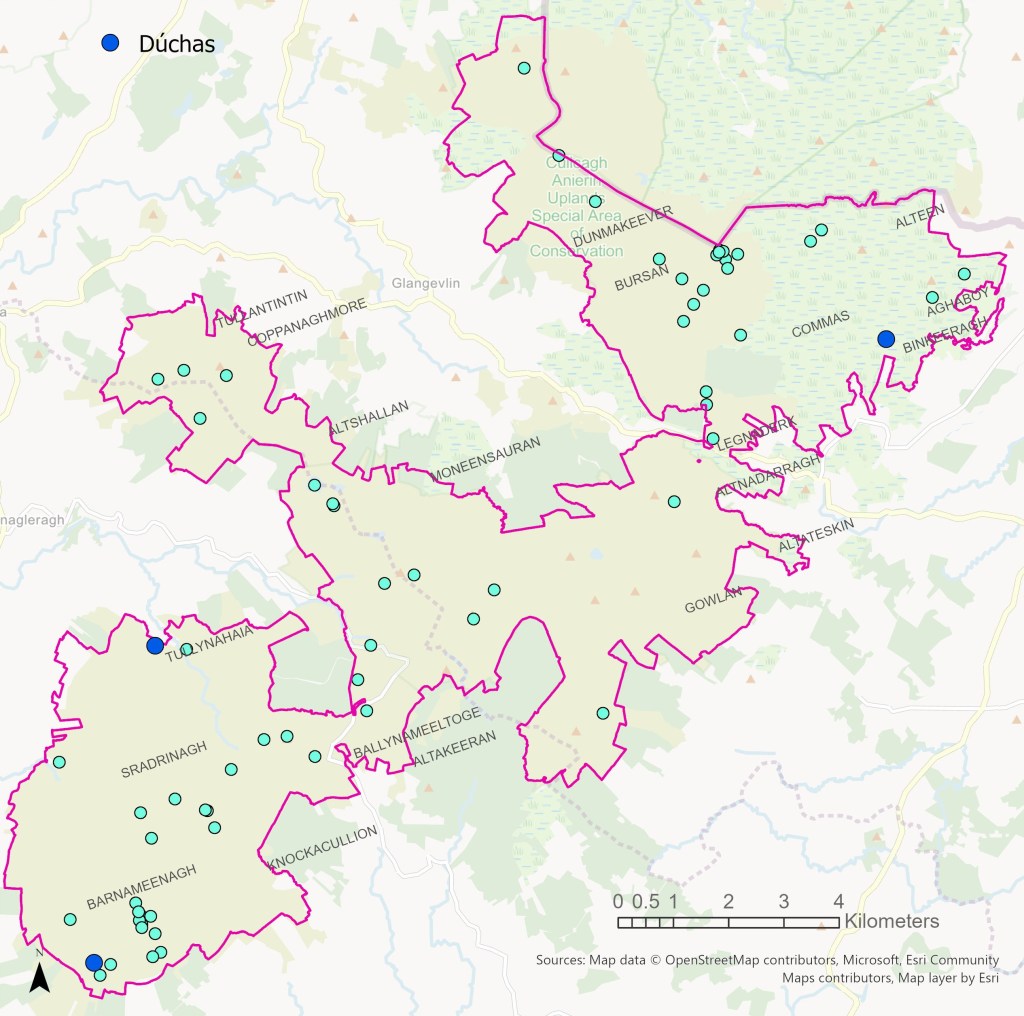
Local points were around 1.8 times closer to Dúchas markers, compared to random test points.
Pre-defined Markers
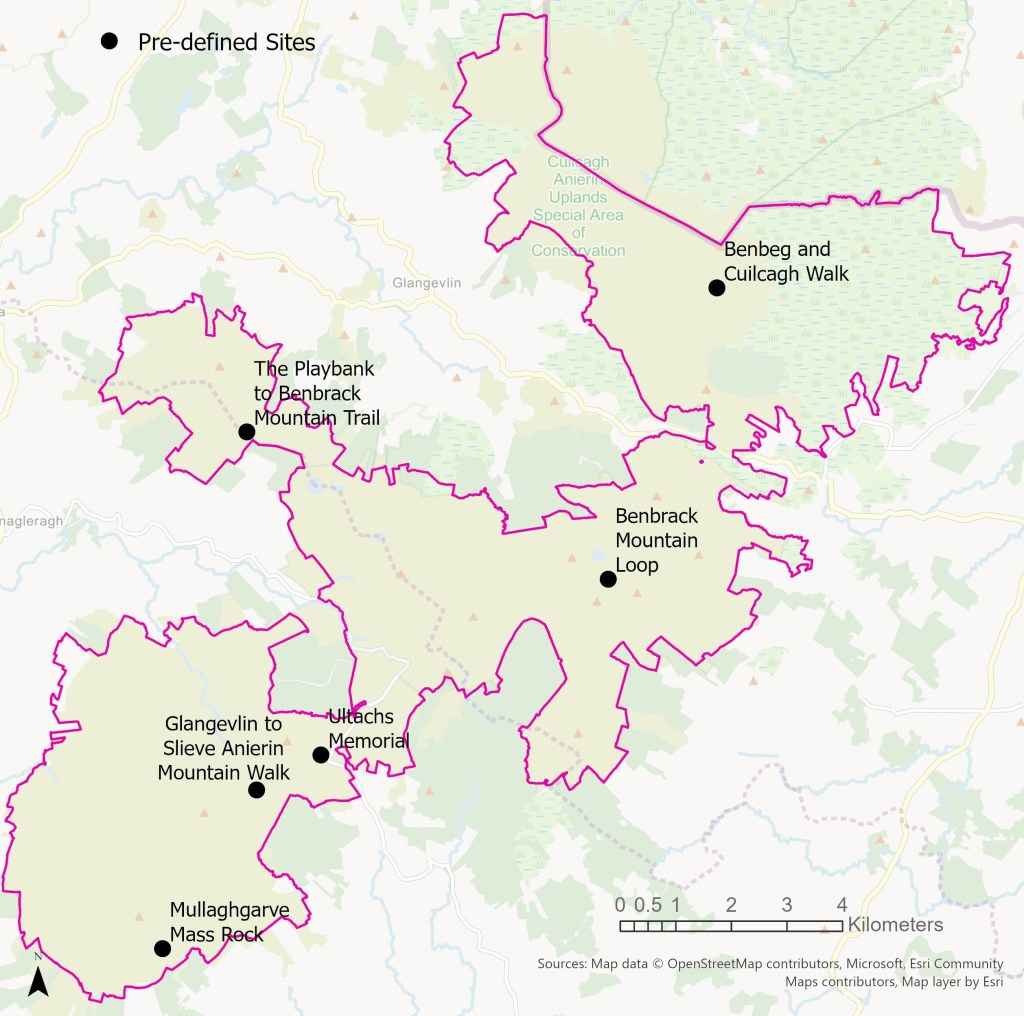
Locals rated pre-defined markers. The top sites are listed below.
Nearly 50% of participants rated Mullaghgarve Mass Rock.

Accompanying Research Link
Meaningful Inclusion and Structural Exclusion: Agri-Scheme Restoration in an Irish Context
ABSTRACT
With implementation of the Nature Restoration Law on the horizon, to what extent do agricultural-scheme restorations include locals? Through a case study situated in Cuilcagh-Anierin Uplands, this research uses participatory mapping tools and the Environmental Value Basis Scale, to investigate whether agri-scheme restoration sites align with locally identified socio-culturally important areas. Point density equivalence was tested, comparing points in restoration sites with remaining upland area. A cumulative logit model with Bayesian hypothesis testing was used to compare ranking order between respondent agreement with relational, intrinsic, and instrumental values statements. Survey participants included a fairly even divide of farming and non-farming Uplands locals. Meaningful evidence indicated that participants were more likely to agree with intrinsic value statements compared with relational values. Given the proportion of farmers in the study, this insight may present intrinsically-aligned conservation agents with an opportunity to rebuild relationships with farmers from a place of shared-value. Results for remaining value ranking and for point density tests were inconclusive. However, literature review and supplemental research questions, testing point correlation with landscape features, exposed an understood yet under-articulated point: the interplay of agri-scheme policy, Irish land dynamics, and social inequalities effectively shuts women out of most Irish restoration. This exclusion also applies to the currently un-identified socio-groups who comprise non-farmers.
Go raibh maith agaibh
To all participants, warm thanks to you. If you have any questions or suggestions, please reach out erinchristinebell (at) gmail (dot) com.

